Special thanks to readers who have asked for this ... I am beyond delighted to provide it.
Genre: Historical Fiction | Setting: 1126, Norman-occupied West Wales
1. Book Summary
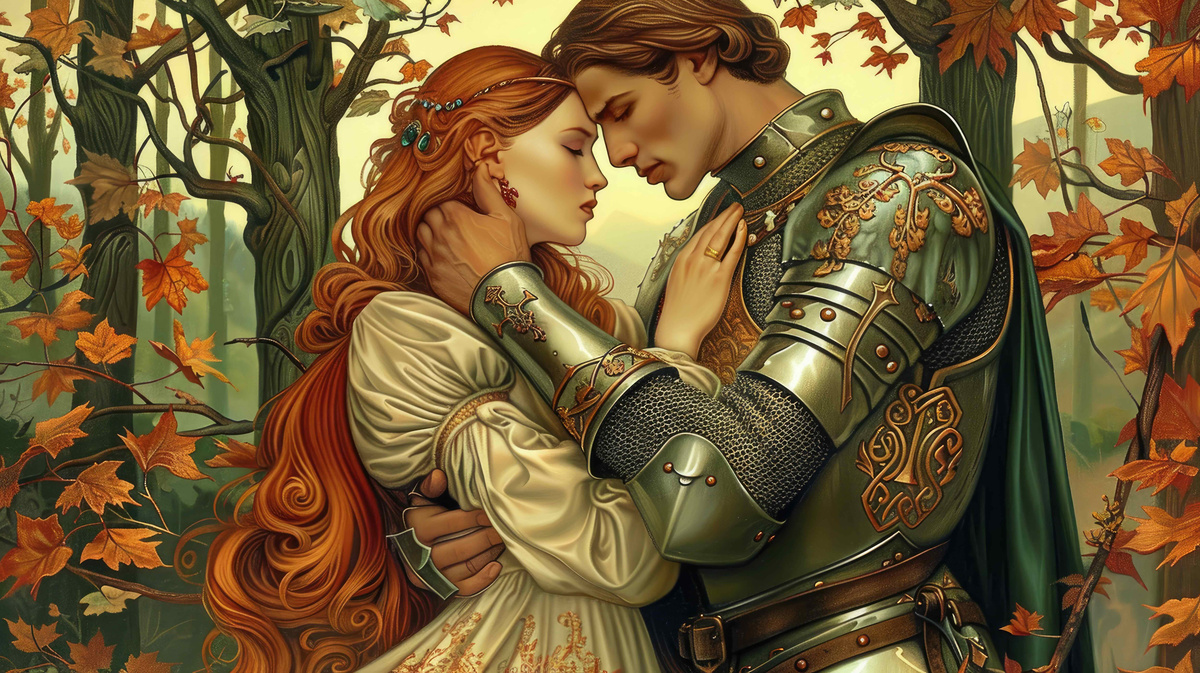
Set against the backdrop of the brutal Norman conquest of Wales, the novel follows 19-year-old Angharad. Born to a Norman knight and the legendary Welsh princess Nesta (Nest ferch Rhys), Angharad is caught between two worlds. When she arrives at Aberteifi Castle, her merciless new stepfather, Étienne, presents her with a fatal dilemma: expose her mother as a secret Welsh rebel, or face death.
To survive, Angharad must unpick Nesta’s true loyalties. She compels Nesta to reveal her scandalous and tragic past as a captive princess, the seductress of kings, and a political pawn.
2. About the Author
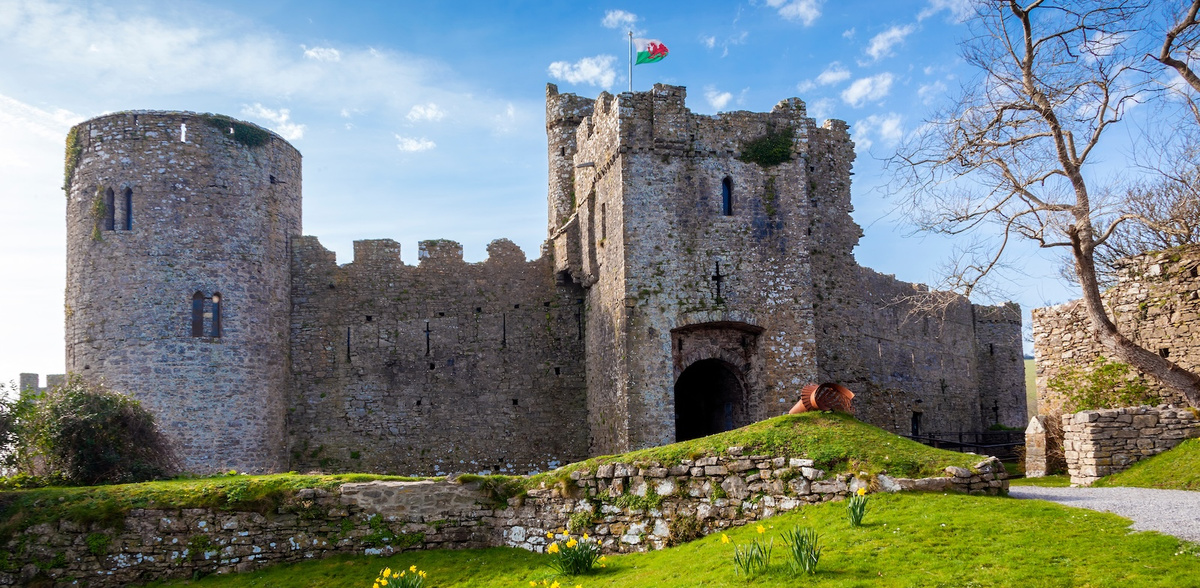
Claire Fuge lives near Carew Castle in Pembrokeshire, West Wales, which was originally built for the real-life historical figure, Princess Nest of Deheubarth. She wrote The Siren’s Daughter after walking her dog around the ruins and wondering why we rarely hear about the women’s side of the Norman Conquest.
3. Core Themes for Discussion
· Dual identity & divided loyalties: Angharad's struggle to balance her Norman upbringing with her Welsh heritage, at a time when the Normans and the Welsh were locked in a brutal war against each other.
· Female agency in medieval times: How noblewomen used limited resources— secrets, stories, rumours, and alliances— to survive in a claustrophobic world governed entirely by men.
· Collaboration and the cost of survival: The painful choices required of the conquered women – and the compromises, sacrifices and betrayals they were compelled to make if they wanted to survive.
4. Character Breakdowns
· Angharad: The 19-year-old protagonist. She begins as a pious Norman monarchist but grows into an active participant in her family's dangerous legacy.
· Nesta (Princess Nest ferch Rhys): Angharad’s mother. A fiercely complex woman known for her relationships with kings and princes, haunted by the trauma of her past, and harbouring secrets of a hidden Welsh resistance.
· Étienne: The calculating Norman commander of Aberteifi Castle, who uses domestic rule, psychological manipulation, and loyalty tests to dominate his household - but who also has moments of vulnerability and kindness.
5. Open-Ended Discussion Questions
Mothers & Daughters
· Angharad is raised to view the Normans as the rightful rulers, while her mother views them as hostile invaders. How does Angharad’s perspective shift as she uncovers Nesta's past?
· Nesta is historically called the ‘Siren’ and ‘Helen of Wales’ because of her beauty and the fact that her abduction sparked a war. How did seeing her through Angharad’s eyes define your view of her?
· Does the title The Siren's Daughter imply that Angharad inherited her mother's charismatic and manipulative tendencies, or is she charting a different course?
· What does the book’s title The Siren’s Daughter mean to you by the end?
· Angharad must choose between betraying her mother and being destroyed by her stepfather. In 1126, would you have made the same choice she made?
Storytelling & Silences
· Much of this book consists of oral storytelling. What impact did that have?
· Angharad believes that Nesta is telling the story of her life as a gift of love and a way of bidding farewell. Did Nesta’s storytelling ever feel more like a weapon?
· How is the book affected by the stories Nesta does not tell?
· If you have read Lady of Lincoln by Sophie Perinot or the works of Elizabeth Chadwick, how does this book compare?
History & Politics
· Étienne uses psychological control rather than physical violence to manipulate Angharad. How does the author build tension, looming political threat and a claustrophobic atmosphere within the castle walls?
· In Chapter 12, the author describes a harrowing ordeal by water inside the castle. How does this historical ritual mirror the broader themes of judgment and justice in the book?
· Historians sometimes either overlook or overstate medieval women's political contributions. In which ways are Nesta and Angharad able to rebel against the Norman Crown, within the limits of the agency they have?
· What surprised you most about 12th century Wales versus England in 1066?
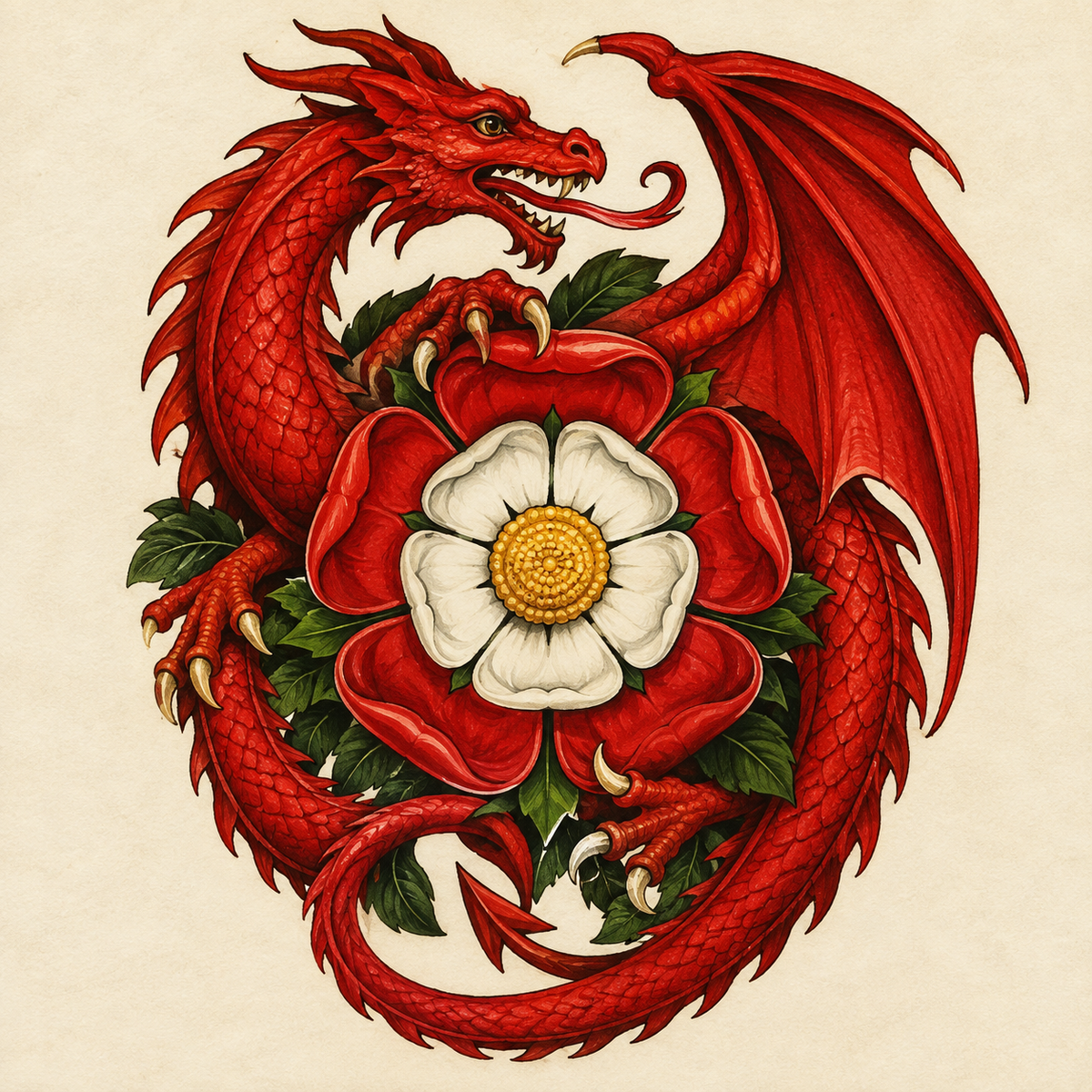
· Does knowing that Angharad’s family were the ancestors of the Tudors change the way that you see the events in this book?
· Which events do you think Claire Fuge invented versus what is in the historical record? Does it matter if the emotional truth is authentic?
6. "Beyond the Book" Ideas
· Explore the Welsh language: Listen to an audio recording of spoken Welsh – for example, a narrated Welsh folktale or rap music.
· The real history: Explore the historical family tree of the Tewdwrs and the transformation of the family into the Tudor dynasty.
· Welsh heritage tasting: Pair your discussion with traditional Welsh cakes or Bara Brith (tea bread).